Ethnic Wear, Culture - Dec 20, 2022
Walk into any saree market today and you will see boards claiming “Banarasi look” almost everywhere. Online, the confusion is even worse. Two sarees can look similar on screen, yet feel completely different when you actually drape them. Over time, buyers start realising that in ethnic wear, trust matters more than surface shine.
This is the space where Loyal Sarees has quietly been building its name. Not through loud claims, but through how its sarees behave when worn, how they hold up over repeated use, and how closely the brand stays connected to Banaras, where Banarasi weaving actually lives.
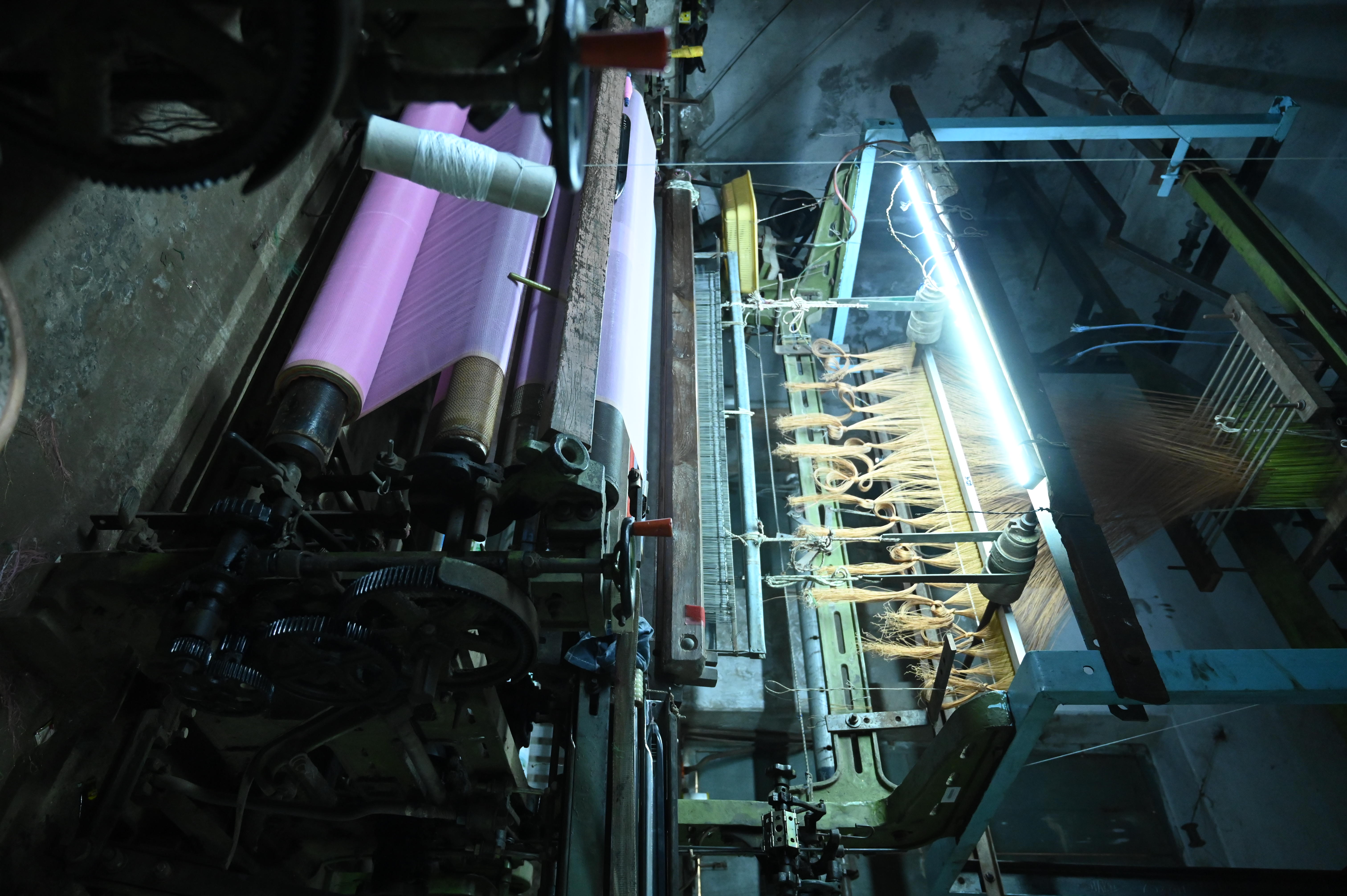
Loyal Sarees did not start as a branding exercise. It grew from being part of the weaving ecosystem in Varanasi. That matters, because the closer a brand stays to the loom, the more control it has over things buyers usually notice only later: how heavy the saree feels after two hours, whether the zari scratches the skin, or how the fabric settles when you sit for long rituals.
Being From Banaras Is Not Just a Tagline
Many brands reference Banaras in their story. Loyal Sarees works from Banaras. The weaving and finishing happen in Varanasi itself, under direct supervision. This changes how decisions are made. Fabric is chosen not just for how it looks in photos, but for how it performs during real wear.
A saree that looks rich on a hanger but becomes tiring to carry through a long ceremony does not earn repeat buyers. Loyal Sarees seems to understand this trade-off well. The focus stays on balance: visual richness, but also comfort, fall, and wearability.
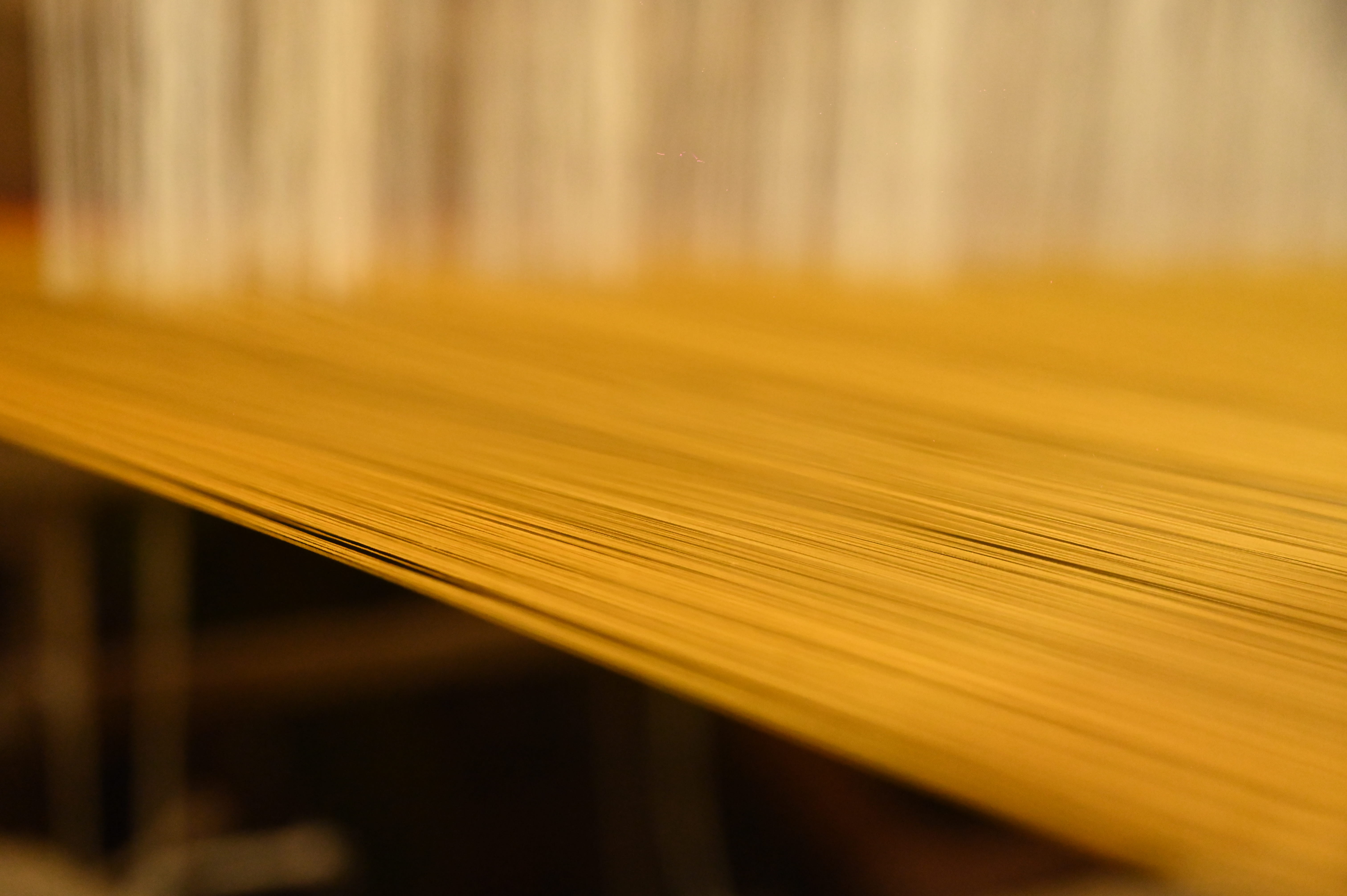
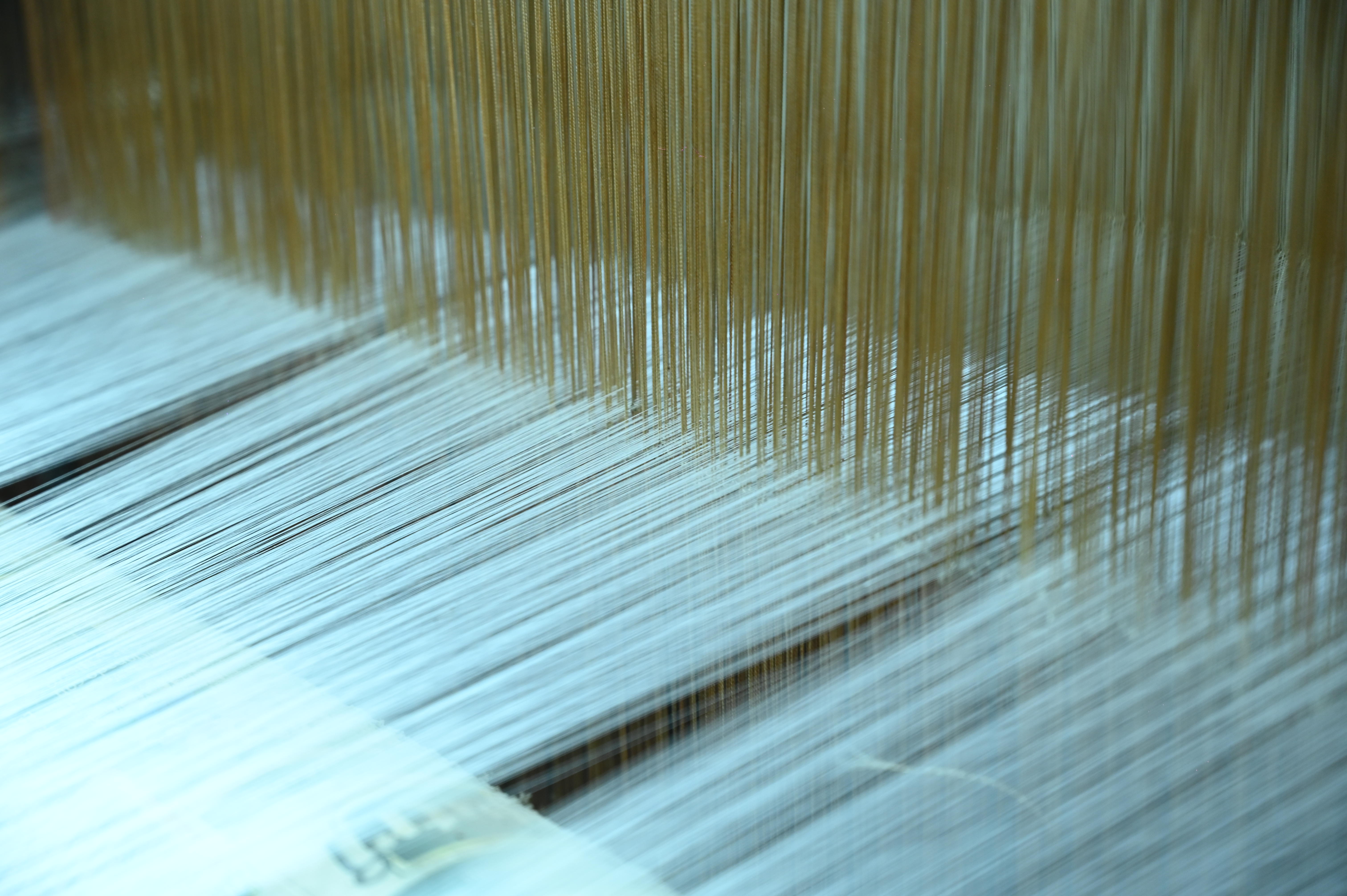
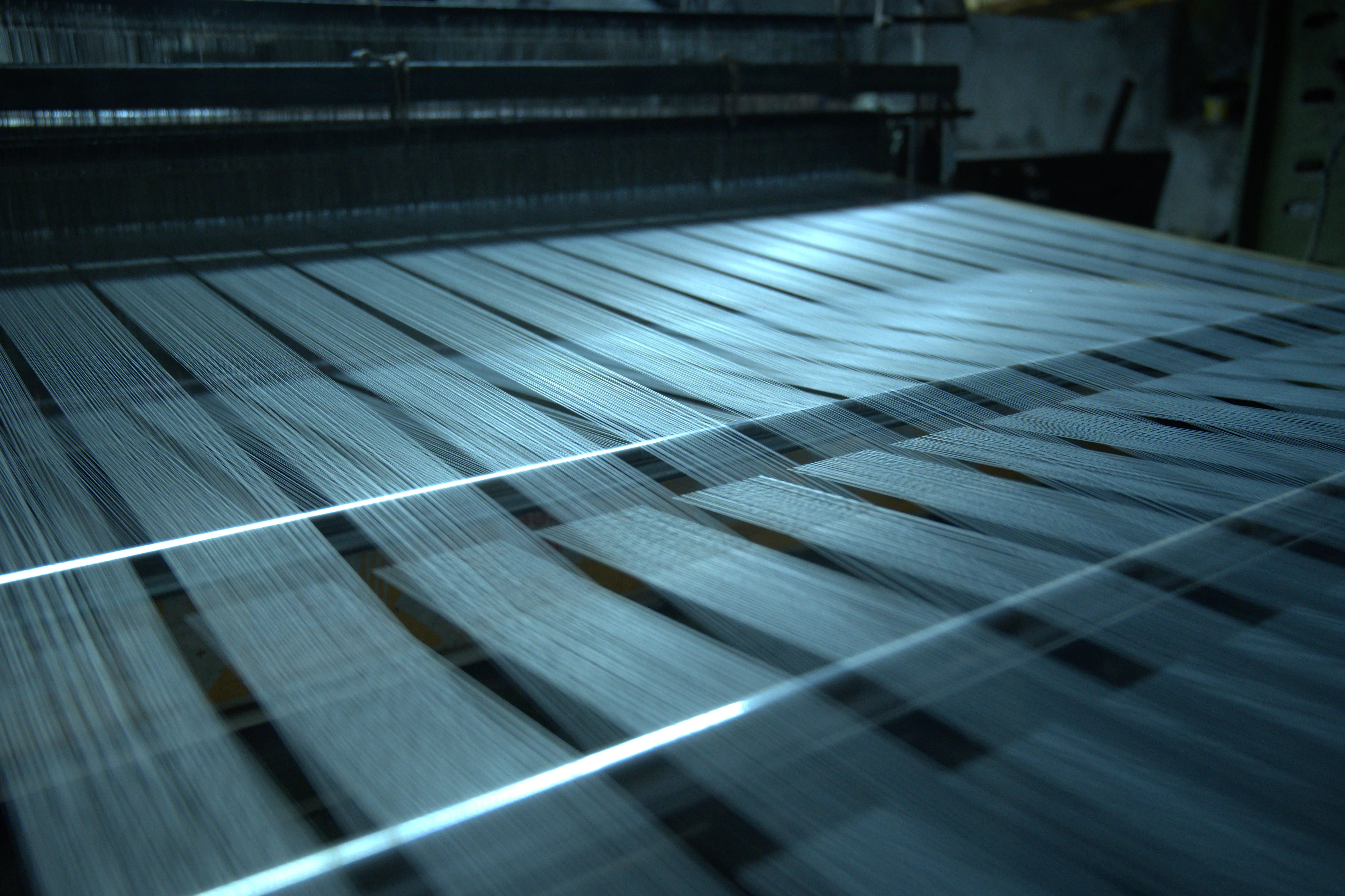
Buyers who take time to understand how Banarasi sarees are made usually develop a sharper eye for quality. Even small details like weave density and zari placement start to stand out. This learning curve is explained well in Loyal Sarees’ own guide on how an original Banarasi saree is made in Varanasi, which walks through the process from yarn selection to final finishing without overselling the craft.
Collections Built Around How Sarees Are Actually Worn
One reason Loyal Sarees feels more dependable than many “ethnic wear brands” is that its collections do not feel random. Each fabric category seems to serve a clear purpose.
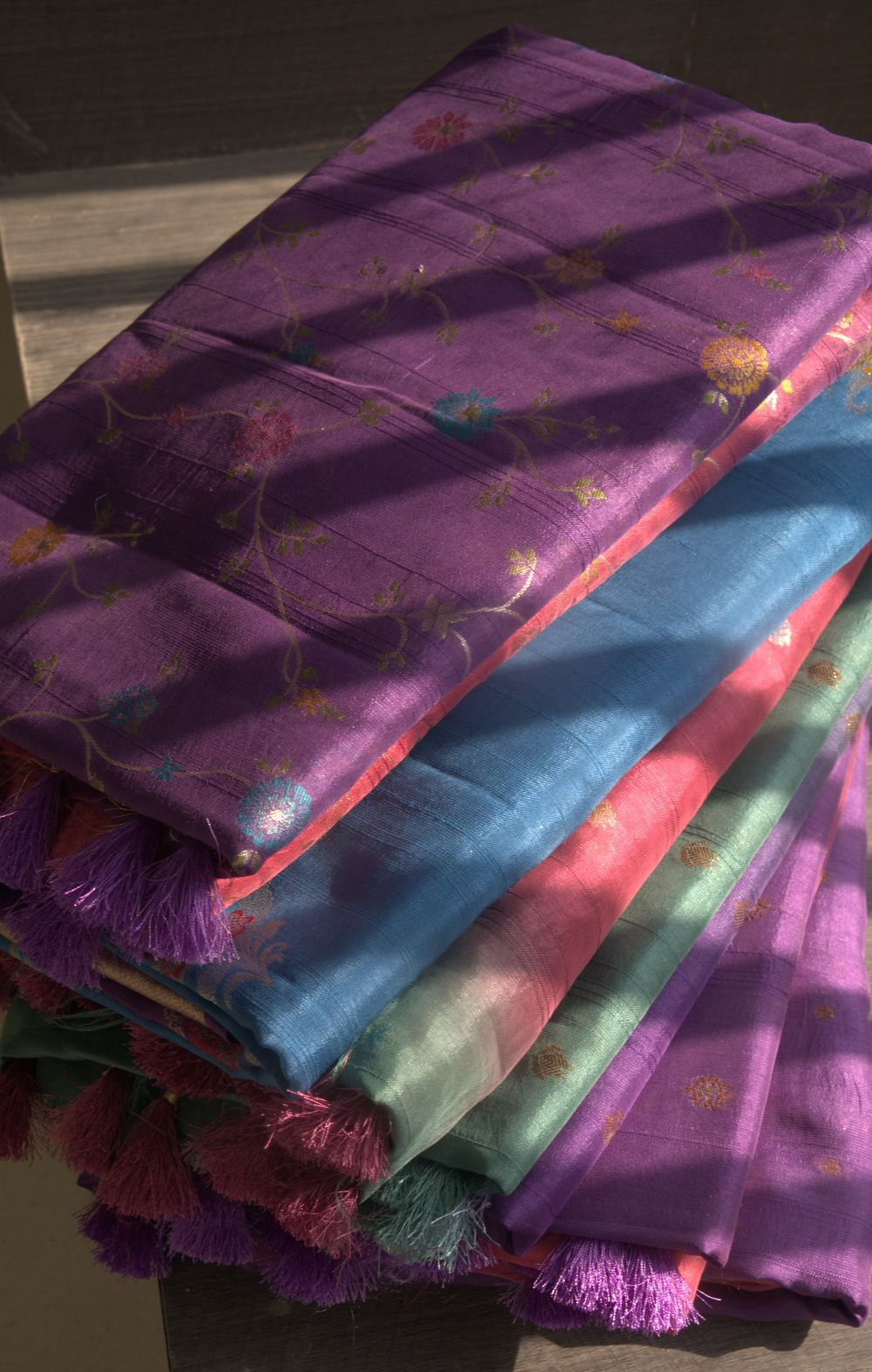
For traditional weddings and heavy ceremonies, Katan Banarasi Silk Sarees remain a natural choice. They have that structured presence families look for when the saree is meant to carry visual weight and ceremonial importance.
For occasions where the saree needs to be worn for long hours without feeling overwhelming, Viscose Tussar Banarasi Sarees work better. The texture is easier on the skin, and the overall feel is more relaxed, which suits daytime events and extended family functions.
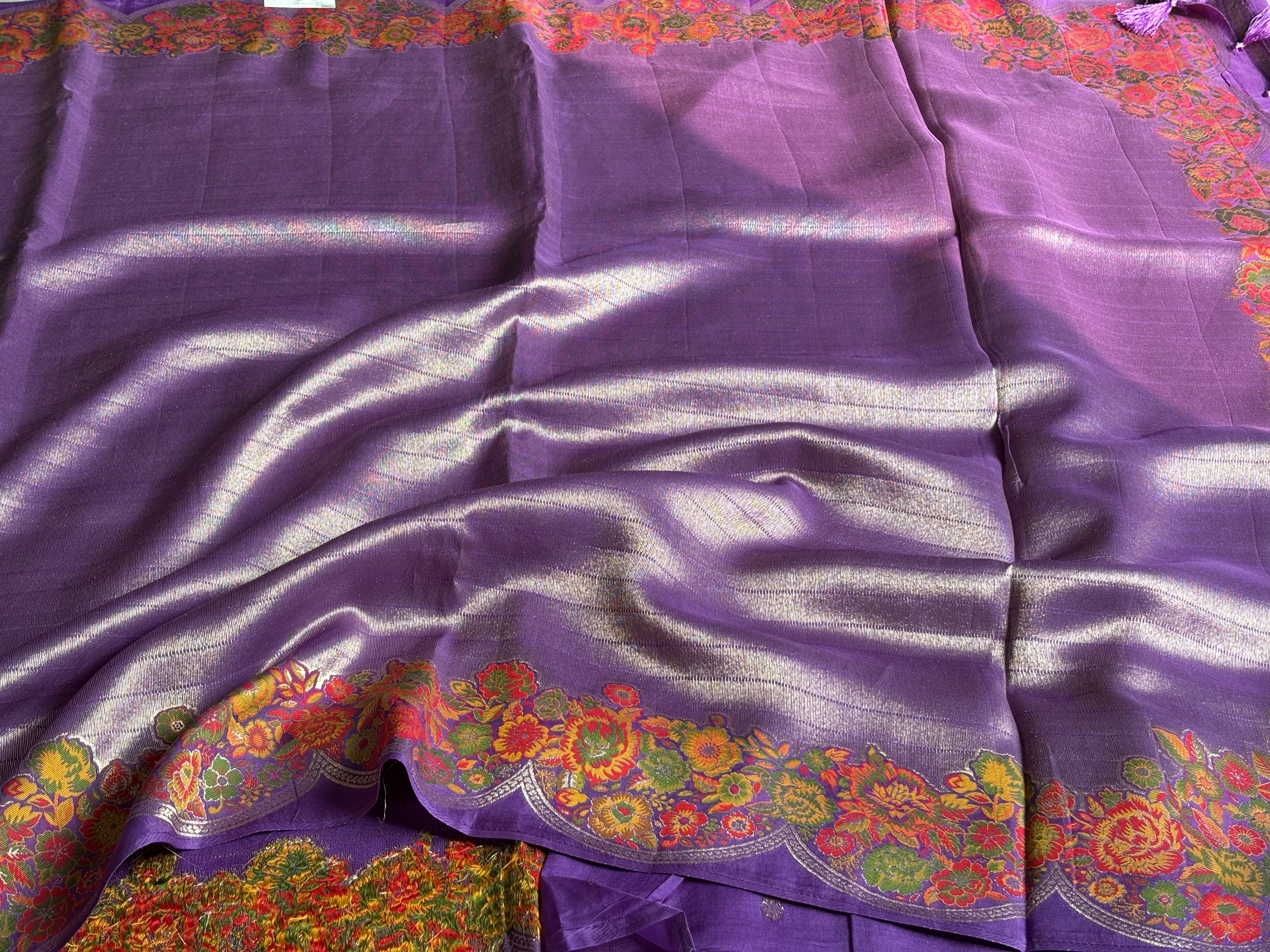
Premium Abu Tai Silk Sarees sit somewhere in between. They carry a polished surface and refined drape that works well for receptions and formal gatherings, where the look needs to be rich but not bulky.
Then there are Satin Organza Sarees, which speak more to changing tastes. These are lighter, sharper in appearance, and easier to manage during long evenings. They reflect how Banarasi aesthetics are slowly finding space in more contemporary wardrobes.
None of these categories try to be everything for everyone. That is exactly why they work.
Quality Is Built Into the Process, Not Added Later
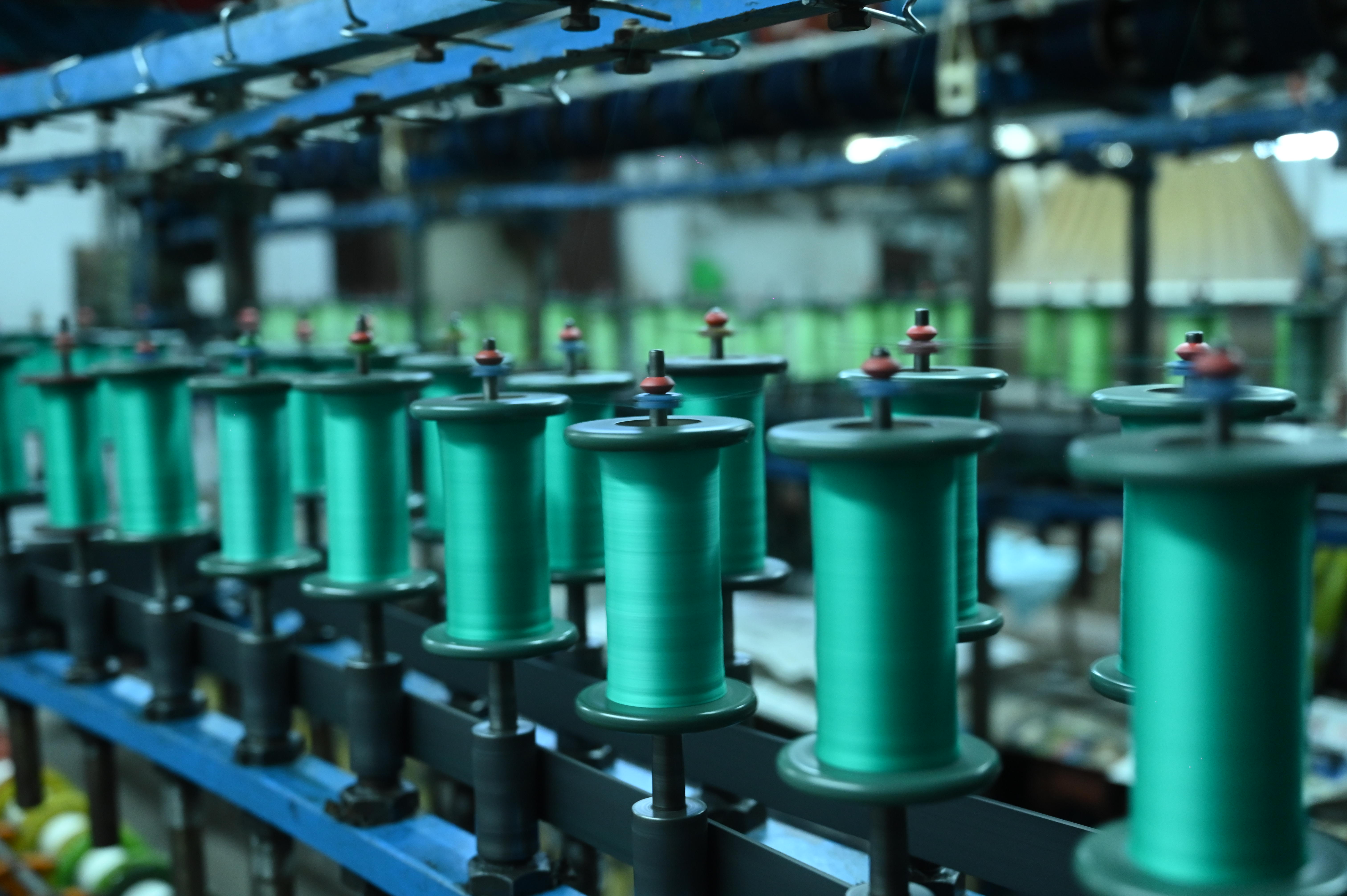
In handloom and Banarasi weaving, consistency is hard. Even small changes in yarn or weaving tension can change how a saree feels. Loyal Sarees treats quality less like a final inspection step and more like a habit that runs through the entire process.
Fabric sourcing, weaving density, zari application, washing, and finishing are all handled with attention. The result of this shows up slowly. Customers who return do not feel like they are buying from a completely new supplier each time. There is a familiarity in how the sarees feel, even when the designs change.
That kind of consistency is what quietly builds trust. Not one perfect piece, but many reliable ones over time.
Working With Buyers and Boutiques, Not Just Selling Sarees
Loyal Sarees does not only cater to individual buyers. The brand also works with boutiques and resellers through structured dealer and trade partnerships. This side of the business is often invisible to end customers, but it plays a big role in shaping brand reputation.
Boutique owners tend to avoid suppliers who are unpredictable in quality. When they continue sourcing from the same manufacturer, it usually means the product is stable, deliveries are dependable, and the fabric quality does not fluctuate wildly. That backend reliability eventually reflects in how end customers perceive the brand as well.
Holding Onto Heritage While Moving With the Times
Ethnic wear is changing. Younger buyers want sarees that fit into modern lifestyles, lighter silhouettes, easier drapes, and fabrics that feel manageable during long events. At the same time, Banarasi sarees are deeply tied to ceremony and tradition.
Loyal Sarees seems to be navigating this tension carefully. It does not abandon traditional structures, but it does not ignore changing comfort needs either. By offering both heavier ceremonial sarees and lighter, more wearable options, the brand keeps Banarasi weaving relevant beyond only weddings.
Why People Start Trusting a Brand Like Loyal Sarees
Trust in ethnic wear does not come from one purchase. It comes when a saree behaves the way you expected it to. When the fabric does not become uncomfortable halfway through a function. When the zari does not start looking tired after a few wears. When the next saree you buy feels consistent with the last one.
Loyal Sarees is emerging as a trusted ethnic wear brand in India largely because it pays attention to these small, practical details. Rooted production in Banaras, clearly defined fabric categories, and steady quality across collections do not sound dramatic, but over time, they matter more than big claims.
In a market full of visual noise, reliability becomes the real differentiator.
Frequently Asked Questions About Loyal Sarees and Banarasi Sarees
1. What makes Loyal Sarees different from other Banarasi saree sellers?
Loyal Sarees works close to the weaving base in Varanasi and maintains oversight over production and finishing. This helps keep quality more consistent compared to sellers who only trade finished sarees.
2. Are Loyal Sarees sarees suitable only for weddings?
No. While collections like Katan Banarasi Silk Sarees suit weddings and heavy ceremonies, lighter categories such as Viscose Tussar and Satin Organza work well for daytime functions and longer wear.
3. How can a buyer judge the quality of a Banarasi saree at home?
Look at the clarity of motifs, the balance of zari, and how the fabric feels when you hold it. A good Banarasi saree usually has body without feeling stiff and shine without looking harsh.
4. Do Banarasi sarees need special care?
Yes. Store them in cotton cloth, keep them away from moisture and perfumes, and refold them occasionally to avoid permanent creases.
5. Can boutiques source directly from Loyal Sarees?
Yes. Loyal Sarees works with boutiques and trade partners who want to source Banarasi sarees directly from Varanasi with stable quality standards.
Recent Post
April 4, 2025
April 4, 2025
April 4, 2025
.JPG)