If you have ever owned a Banarasi saree, you already know it feels different. Not just in weight or shine, but in presence. A Banarasi saree carries history. It reflects patience, skill, and a level of detail that cannot be rushed. This craft has lived for centuries in Varanasi, passed from one generation of weavers to the next.
Ethnic Wear, Culture - Dec 20, 2022
If you have ever owned a Banarasi saree, you already know it feels different. Not just in weight or shine, but in presence. A Banarasi saree carries history. It reflects patience, skill, and a level of detail that cannot be rushed. This craft has lived for centuries in Varanasi, passed from one generation of weavers to the next.
Loyal Sarees comes from this very ecosystem. Not as an outsider brand borrowing a legacy, but as a name that grew within it. Their story is rooted in family, looms, and a long-standing relationship with Banarasi weaving. To understand Loyal Sarees, you first need to understand why Varanasi matters so deeply to Banarasi silk.
Where It All Began
Loyal Sarees traces its beginnings back to 1972, in Varanasi. It started as a family-led effort driven by a simple belief that Banarasi sarees deserved consistency, honesty, and respect for the craft. At a time when much of the industry depended on middlemen and fragmented processes, the focus here was on staying close to the loom.
The early years were not about expansion. They were about learning. Learning the rhythm of weaving, understanding how silk behaves, how zari settles into fabric, and how small changes in technique affect the final drape. The family worked closely with skilled artisans, many of whom had inherited the craft from their fathers and grandfathers.
As years passed, Loyal Sarees slowly built trust within the local weaving community. This trust became the foundation of the brand. Not through advertising, but through reliability. Paying artisans on time. Maintaining design consistency. Valuing handloom work instead of replacing it for speed.
Banarasi Weaving Is Not Fast Work
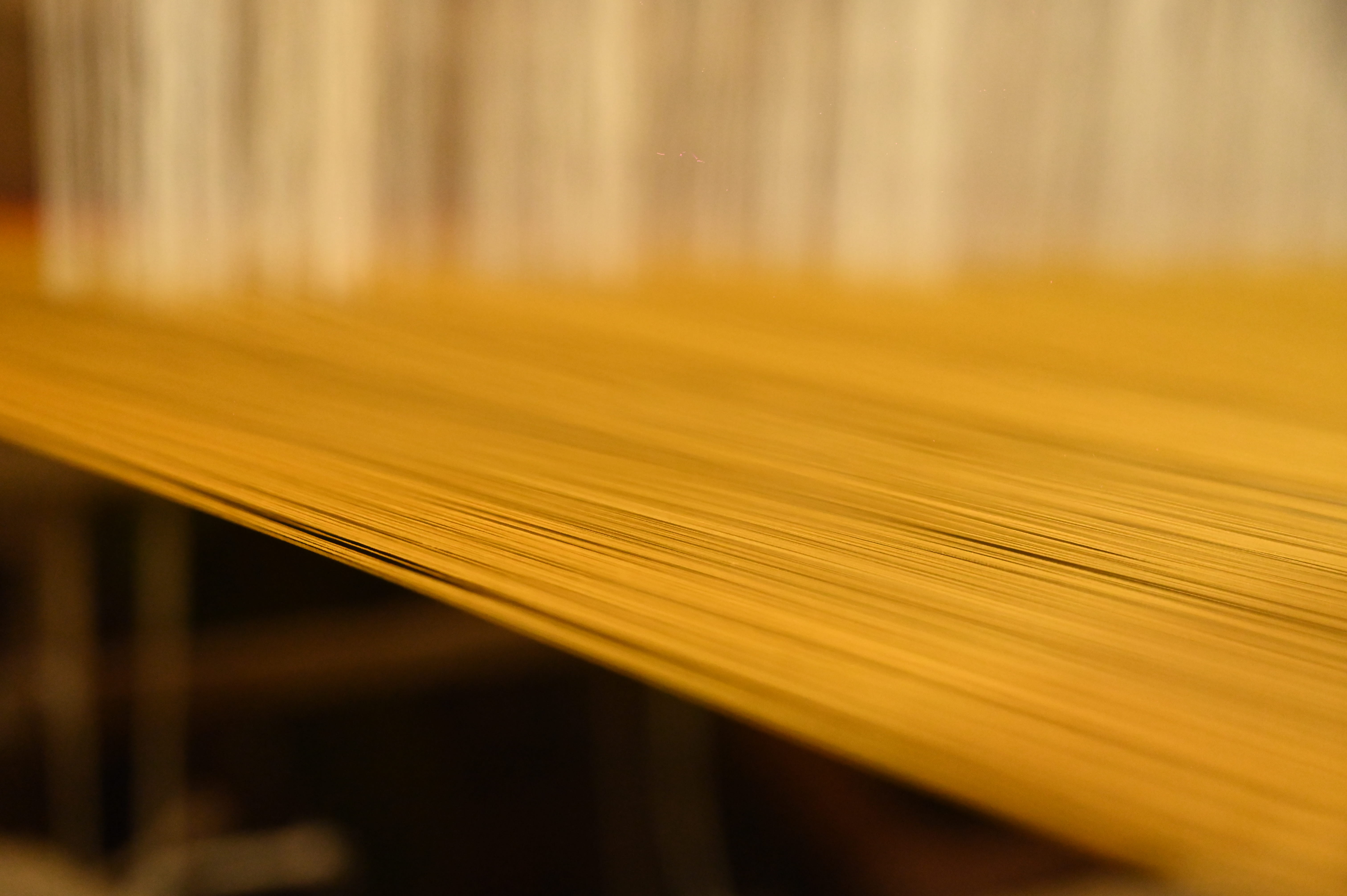
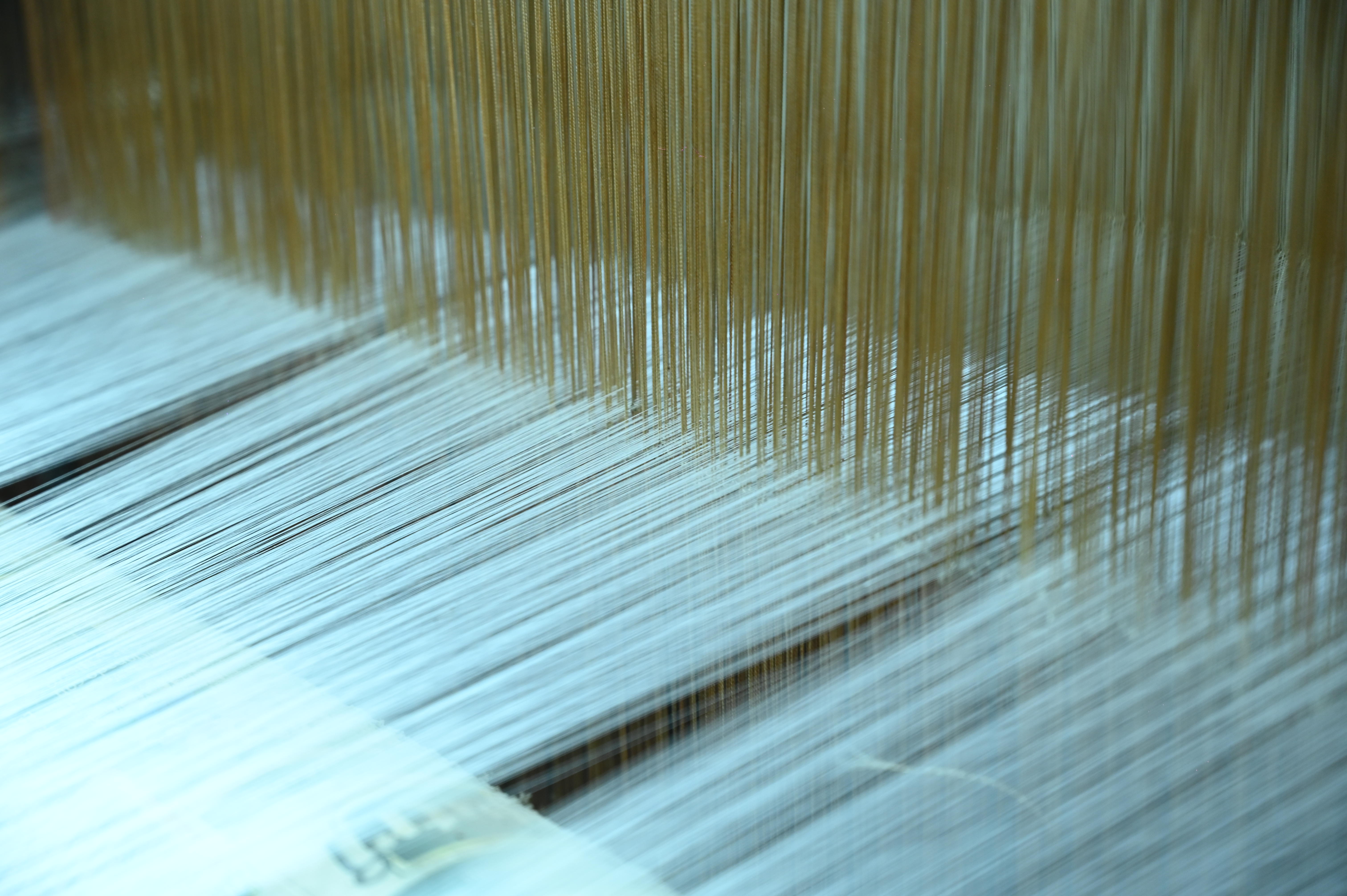
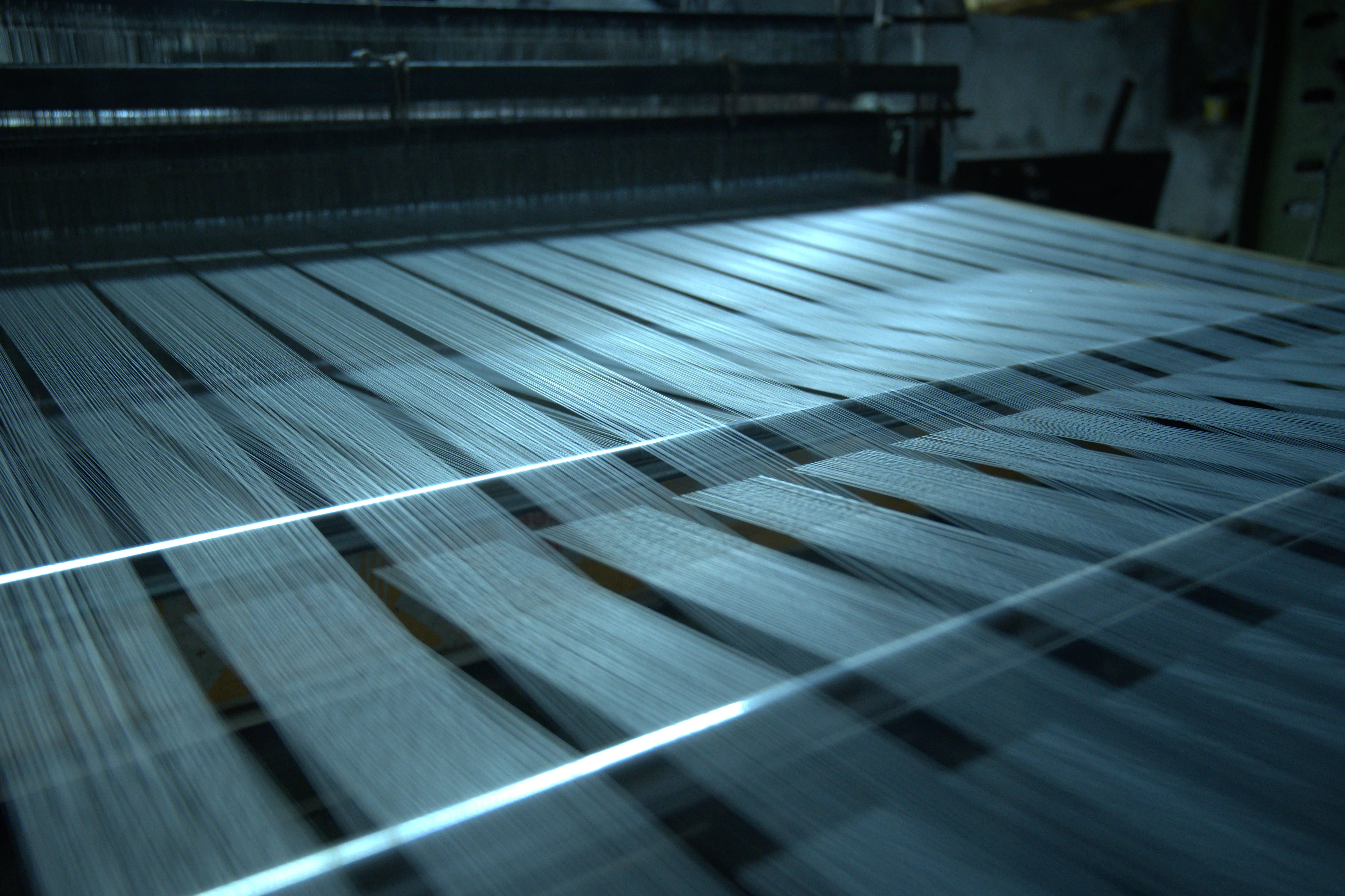
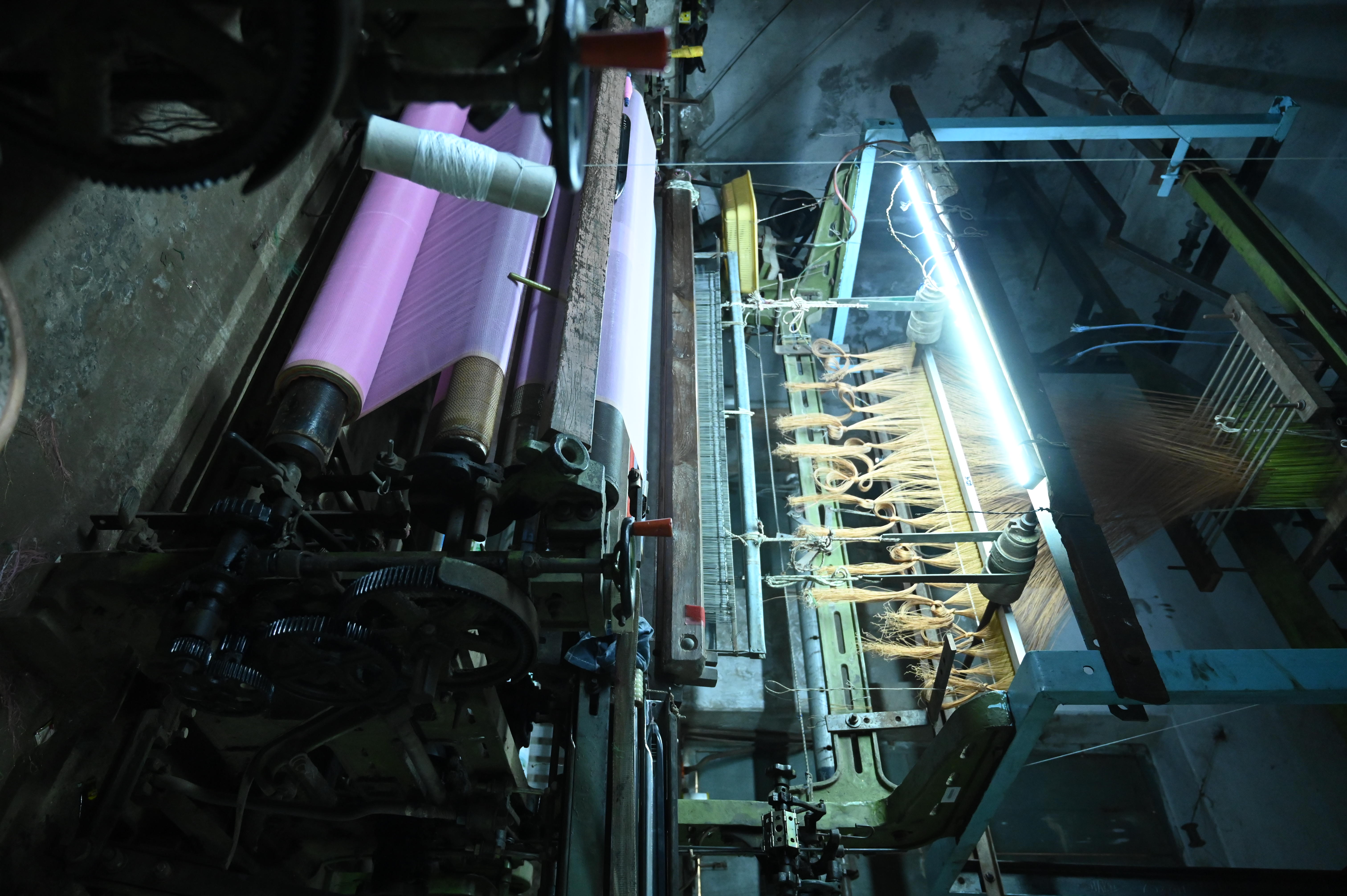
One of the most misunderstood aspects of Banarasi sarees is the time involved. These sarees are not produced quickly. Depending on the complexity, a single piece can take weeks, sometimes longer. Motifs inspired by Mughal art, floral jaals, and traditional borders demand precision at every step.
Loyal Sarees has always worked with this reality instead of fighting it. Their approach respects the pace of handloom weaving. Designs are planned keeping the weaver’s process in mind, not just market demand. Silk quality, zari thickness, and pattern density are chosen to balance beauty with wearability.
This matters because shortcuts show over time. Poor silk loses structure. Inferior zari fades. In contrast, a well-made Banarasi saree ages gracefully. Loyal Sarees places emphasis on this long-term value, not just the first impression.
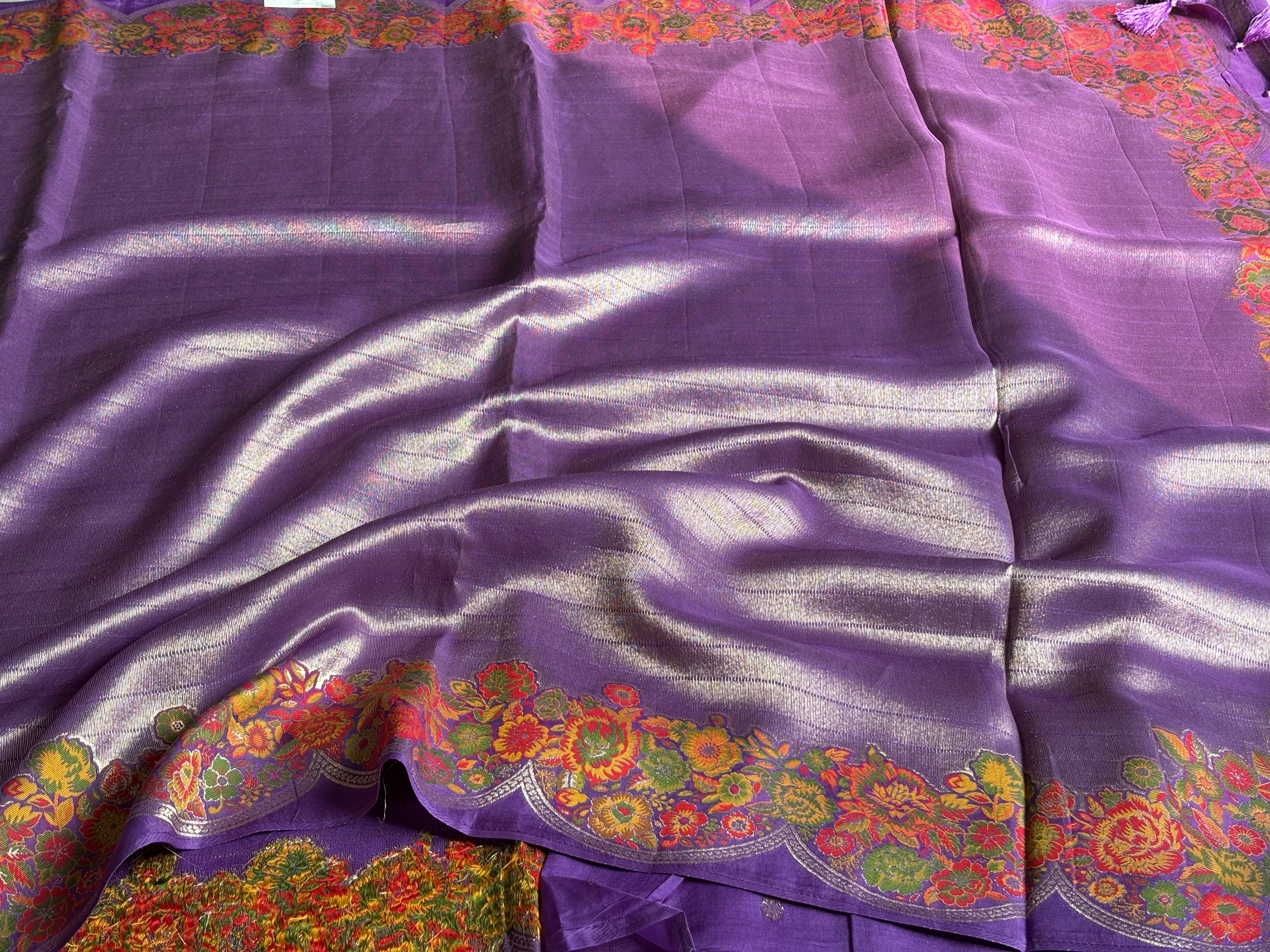
This approach is especially visible in Loyal’s silk-based collections, where fabric choice plays a major role in how the saree finally sits on the body. Their Katan Matka and Chinon Banarasi sarees reflect this balance well, combining traditional weaving techniques with fabrics that retain structure without feeling overly heavy. These collections are designed for buyers who value authenticity and long-term wear rather than short-term trends.
Growing With the Craft, Not Away From It
As the years progressed, the second generation stepped in, bringing operational structure and broader reach. The aim was never to dilute the essence of Banarasi weaving, but to support it better. By investing in improved processes and infrastructure, Loyal Sarees was able to scale responsibly.
In the early 2000s, the brand expanded its capabilities with modern techniques that complemented traditional weaving rather than replacing it. A dedicated manufacturing setup helped maintain quality checks while keeping handloom production central to the business.
By the time the third generation became involved, the brand had a clear direction. Protect the craft. Maintain consistency. Adapt only where it makes sense. This balance allowed Loyal Sarees to serve a wider audience while staying rooted in Varanasi’s weaving culture.
Over time, this consistency has resulted in a wide and well-defined range, which can be seen across the Loyal Sarees catalog, covering multiple fabric types, weaving styles, and design preferences while staying rooted in Banarasi tradition.
What Makes Loyal Sarees Relevant Today
The saree market today is crowded. Machine-made lookalikes are often sold as Banarasi. Designs are copied quickly, and prices are driven down at the cost of quality. In such a landscape, credibility matters more than ever.
Loyal Sarees stands out because of continuity. Their work reflects a steady understanding of Banarasi textiles, not seasonal experimentation. Buyers who return often do so because they know what to expect. Consistent silk quality. Thoughtful designs. Sarees that hold their structure and detailing over time.
There is also a growing awareness among buyers today. Many want to know where their saree comes from, who made it, and whether it supports genuine artisans. Loyal Sarees fits naturally into this shift because transparency has always been part of how they operate.
As preferences evolve, many buyers today look for Banarasi sarees that feel lighter and easier to carry while still holding their traditional identity. Loyal Sarees addresses this shift through collections such as Viscose Tussar and Dola Georgette Banarasi sarees, which are suited for long occasions and repeat wear without compromising on detailing.
A Relationship With Varanasi That Goes Beyond Location
Varanasi is not just where Loyal Sarees operates. It shapes how the brand thinks about sarees. The city’s weaving clusters, artisan families, and long-standing techniques influence every collection. Being present here means staying connected to the realities of the craft.
This connection also brings responsibility. Supporting handloom weaving is not just about preserving tradition, but about sustaining livelihoods. Loyal Sarees continues to work closely with artisans, ensuring that skills refined over generations remain valued and relevant.
The influence of the city goes far beyond production. Banaras has long held a global reputation for textile excellence, shaping how Indian craftsmanship is viewed worldwide. This deeper cultural role of the city is explored in detail in one of Loyal Sarees’ earlier pieces on Banaras as an ancient fashion capital, which explains why the region continues to define luxury handloom weaving even today.
Why This Legacy Still Matters
A Banarasi saree is often worn during life’s most important moments. Weddings, ceremonies, and milestones. These are not everyday garments. They are chosen with care, and that choice deserves honesty in craftsmanship.
Loyal Sarees represents a legacy built quietly over decades. Not driven by trends, but by consistency. Not defined by volume, but by reliability. Their journey reflects what Banarasi weaving has always stood for patience, skill, and respect for tradition.
When you choose a Banarasi saree from a brand that understands this responsibility, you are not just buying fabric. You are supporting a living craft that continues to exist because it is valued, preserved, and treated with care.
Recent Post
April 4, 2025
April 4, 2025
April 4, 2025
.JPG)