.JPG)
Different Types of Banarasi Sarees and When to Wear Them
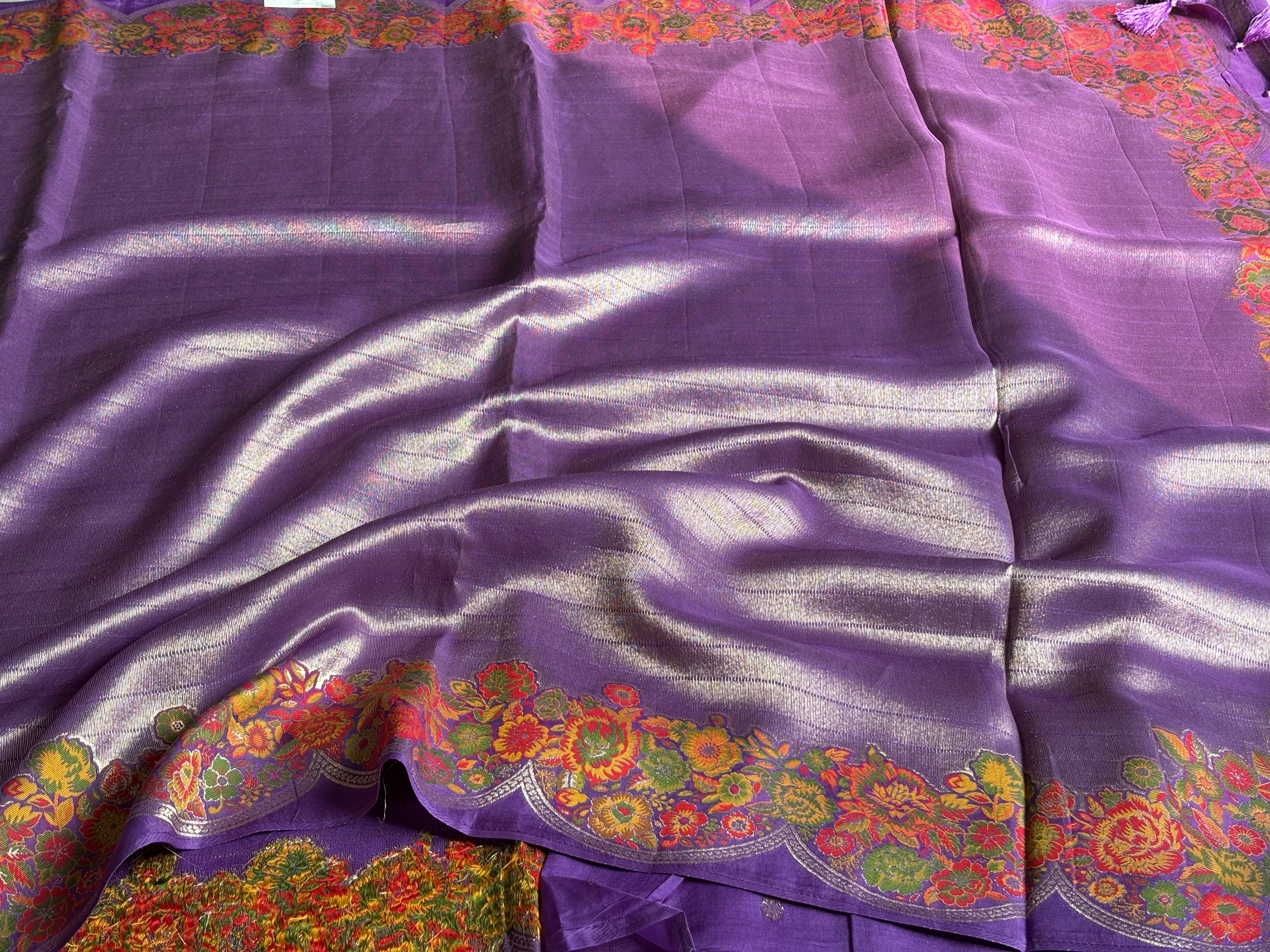
Banarasi sarees are not a single category.
They are a family of fabrics, weaves, and finishes, each created for a different purpose, season, and kind of occasion. Knowing the difference helps buyers choose the right saree for the right moment and build a wardrobe that actually gets worn.
At Loyal Sarees, these categories are developed and finished at our Varanasi unit under direct supervision. This allows us to maintain consistency in weaving quality, zari balance, and long-term wearability.
This guide explains the most important Banarasi saree types and when each one fits best.
1. Katan Matka Banarasi Saree
The Katan Matka Banarasi Saree uses tightly twisted silk yarns blended with the slightly textured matka finish. The fabric is strong, structured, and capable of supporting heavy zari designs.
Look & Feel
Firm body, rich surface, traditional presence.
When to Wear
Weddings
Bridal ceremonies
High-profile family events
Major religious functions
This is the most ceremonial category in the Banarasi family.
2. Abu Tai Silk Banarasi Saree
The Abu Tai Silk Banarasi Saree features a smooth silk base with dense, controlled weaving that holds elaborate patterns clearly.
Look & Feel
Elegant sheen, premium finish, strong drape.
When to Wear
Reception functions
Formal celebrations
Festive evenings
This category suits buyers seeking luxury without excessive weight.
3. Viscose Tussar Banarasi Saree
The Viscose Tussar Banarasi Saree recreates the appearance of tussar silk with a softer, more manageable texture.
Look & Feel
Soft, slightly matte, breathable.
When to Wear
Festive days
Daytime ceremonies
Office functions
Regular traditional wear
It balances visual richness with comfort for long hours.
4. Organza Satin Banarasi Saree
The Organza Satin Banarasi Saree combines a light organza base with a satin surface. This allows intricate zari work while keeping the saree lightweight.
Look & Feel
Crisp, luminous, modern.
When to Wear
Evening events
Wedding receptions
Formal celebrations
It delivers strong visual impact without heaviness.
5. Dola Georgette Banarasi Saree
The Dola Georgette Banarasi Saree uses twisted yarns to create a flowing base that carries Banarasi motifs comfortably.
Look & Feel
Soft drape, smooth movement, comfortable wear.
When to Wear
Long ceremonies
Family gatherings
Festive occasions
Ideal for extended wear without fatigue.
6. Crepe Georgette Banarasi Saree
The Crepe Georgette Banarasi Saree offers even more fluid movement with a slightly textured surface.
Look & Feel
Lightweight, breathable, graceful fall.
When to Wear
Parties
Evening functions
Office celebrations
A practical festive choice for modern wardrobes.
7. Chinon Banarasi Saree
The Chinon Banarasi Saree uses fine synthetic silk yarns with Banarasi weaving techniques.
Look & Feel
Feather-light, airy, contemporary.
When to Wear
Casual festivities
Day events
Summer functions
Perfect for younger buyers and daily festive wear.
Buyers who want deeper insight into weaving and production can also read our guide on how an original Banarasi saree is made to better understand the craftsmanship behind each type.
8. Kora Silk Banarasi Saree
The Kora Silk Banarasi Saree represents a traditional raw silk base historically used for structured Banarasi designs. Its qualities are closely related to the foundations seen in Katan and Organza weaving.
Best for: traditional ceremonies and daytime weddings.
9. Tissue Banarasi Saree
The Tissue Banarasi Saree is known for its metallic sheen created by blending zari with silk. This finish closely connects with the luminous effect seen in Organza Satin categories.
Best for: receptions and evening celebrations.
10. Cotton Silk Banarasi Saree
The Cotton Silk Banarasi Saree combines breathability with festive appearance. Its comfort profile aligns with lighter Banarasi categories such as Chinon and Georgette.
Best for: daily traditional wear and summer functions.
Choosing the Right Banarasi Saree
The right Banarasi saree depends on three simple factors:
• Event type
• Duration of wear
• Comfort requirement
Heavier categories like Katan Matka Banarasi Saree and Abu Tai Silk Banarasi Saree suit weddings and formal ceremonies. Lighter options like Organza Satin Banarasi Saree, Georgette Banarasi Saree, and Chinon Banarasi Saree work better for extended wear and modern functions.
At Loyal Sarees, each category is developed and finished under direct supervision at our Varanasi unit to ensure dependable structure, balanced zari application, and consistent quality.
Quick Comparison Guide
|
Saree Type |
Weight |
Best For |
Comfort Level |
Occasion Type |
|
Katan Matka |
Heavy |
Weddings |
Medium |
Grand ceremonial |
|
Abu Tai Silk |
Medium-Heavy |
Receptions |
Medium |
Formal celebrations |
|
Viscose Tussar |
Medium |
Day events |
High |
Festive, office |
|
Organza Satin |
Light |
Evenings |
Medium |
Receptions, parties |
|
Dola Georgette |
Light |
Long wear |
High |
Family functions |
|
Crepe Georgette |
Very Light |
Parties |
Very High |
Modern celebrations |
|
Chinon |
Very Light |
Casual wear |
Very High |
Day functions |
Common Mistakes Buyers Make While Choosing a Banarasi Saree
Many buyers focus only on how a saree looks in the showroom and forget to consider how long it will be worn, the season of the event, and the weight of the fabric. This often leads to discomfort during functions or a saree that gets worn once and then forgotten.
Another common mistake is assuming all Banarasi sarees are heavy. This causes people to miss versatile options like Organza Satin, Georgette, and Chinon that offer both comfort and tradition.
Choosing with purpose ensures better value and long-term satisfaction.
Final Thought
Banarasi sarees are not just garments. They are purpose-built traditions. When the fabric matches the occasion, the saree holds its form, feels comfortable for long hours, and looks right in every setting.
Understanding these differences allows buyers to invest in pieces that stay relevant in their wardrobe for years rather than seasons. Whether you are selecting for personal wear, boutique inventory, or ceremonial collections, choosing the correct Banarasi category transforms a saree from beautiful to dependable.
At Loyal Sarees, this clarity guides every stage of our production, from yarn selection to final finishing.
Choose the fabric wisely and the saree does the rest.
Frequently Asked Questions About Banarasi Sarees
1. How do I choose the right Banarasi saree for a wedding?
Focus on structure and fabric weight. Categories like Katan Matka and Abu Tai Silk provide the richness and stability required for long ceremonial wear.
2. Which Banarasi saree is best for long hours of wear?
Dola Georgette, Crepe Georgette, and Viscose Tussar are designed for comfort while maintaining traditional aesthetics.
3. Are lightweight Banarasi sarees suitable for formal events?
Yes. Organza Satin and Chinon Banarasi sarees provide strong visual presence with lighter construction.
4. How should a Banarasi saree be stored for long-term use?
Store in breathable cotton cloth, avoid plastic covers, keep away from moisture, and refold every few months.
5. Why does the same Banarasi saree look different across sellers?
Differences come from yarn quality, zari composition, weaving density, and finishing standards.
How an Original Banarasi Saree Is Made: Step-by-Step in Varanasi
If you have ever held an original Banarasi saree in your hands, you probably noticed it feels different even before you look at it closely. The weight settles in a certain way. The surface feels calmer. The shine behaves differently from most fabrics. That difference does not happen by chance. It comes from how the saree is made, from the very first thread.
Knowing this process does more than satisfy curiosity. It changes how you judge a saree. It explains why two sarees that look similar on a shelf can feel completely different once you wear them. And once you understand that, choosing becomes simpler and more confident.
Here is how an original Banarasi saree is actually made in Varanasi, step by step.
1. It All Starts With the Silk
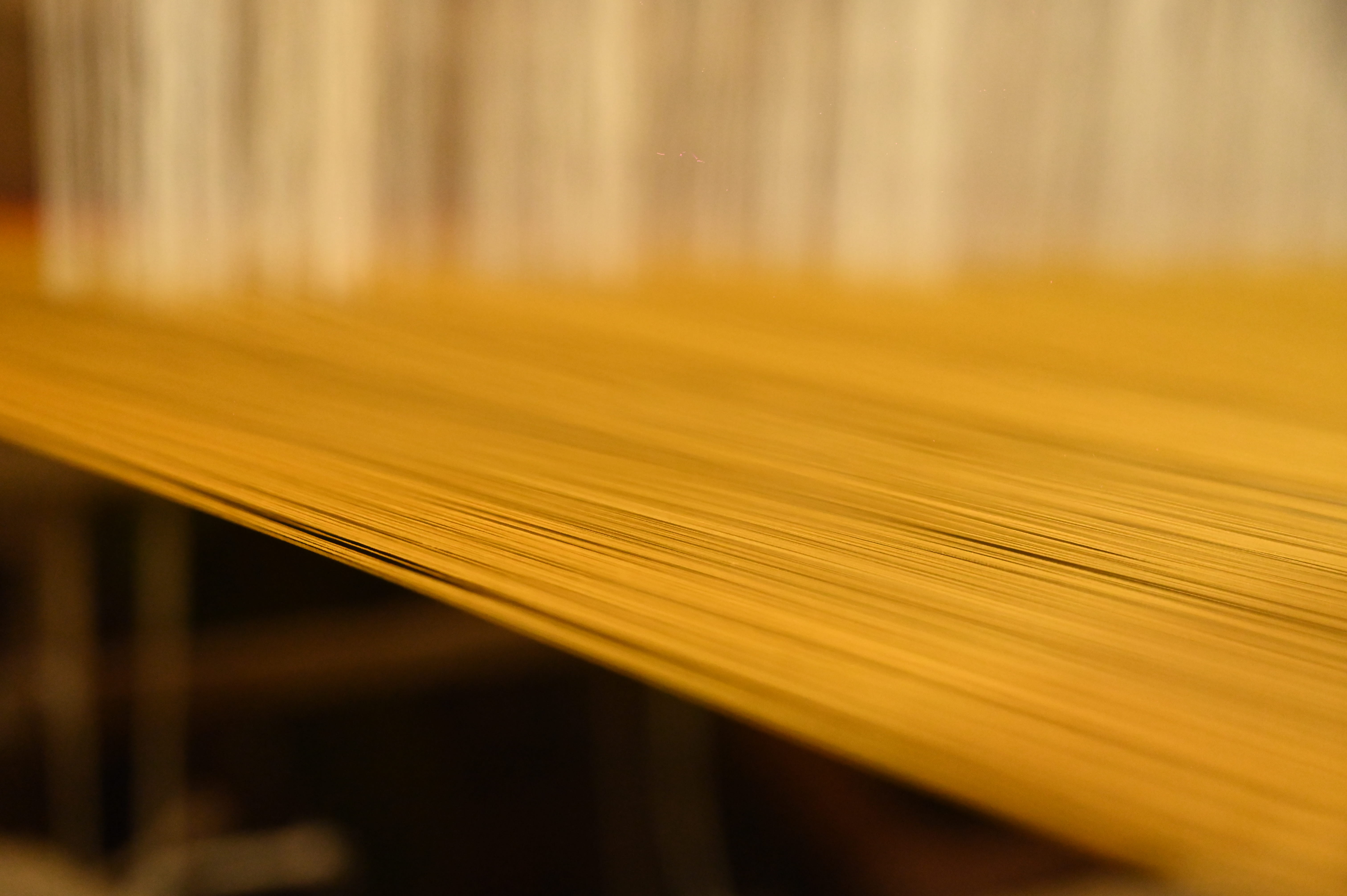
Everything begins with the yarn. For traditional Banarasi sarees, natural silk remains the base of the fabric. The quality of this silk decides almost everything that follows: the fall of the saree, the softness on the skin, the way light reflects on the surface, and how well the fabric holds up over time.
Raw silk is cleaned and then twisted into threads. This twisting is important. It gives silk its strength and that steady, quiet shine Banarasi sarees are known for. When silk quality is poor, the signs appear quickly. The fabric feels weak, the shine looks uneven, and the saree begins losing its character far sooner than it should.
That is why serious Banarasi weaving always starts with careful silk selection. This is the same approach you will notice in well-made Banarasi Silk Sarees, where the fabric itself already tells half the story.
2. Designing Comes Before Weaving
Before a loom is touched, the design is planned. This stage takes time and patience. The main motif, the border, the pallu design, the placement of zari, and the overall balance of the saree are all decided in advance.
Earlier, this work was done entirely on graph paper. Many workshops still do it that way. Some now use software to improve accuracy, but the creative judgment remains the same. It comes from years of experience and a deep understanding of what looks right on fabric.
A complex design can take days, sometimes weeks, before the weaver is even ready to begin.
3. Setting the Loom
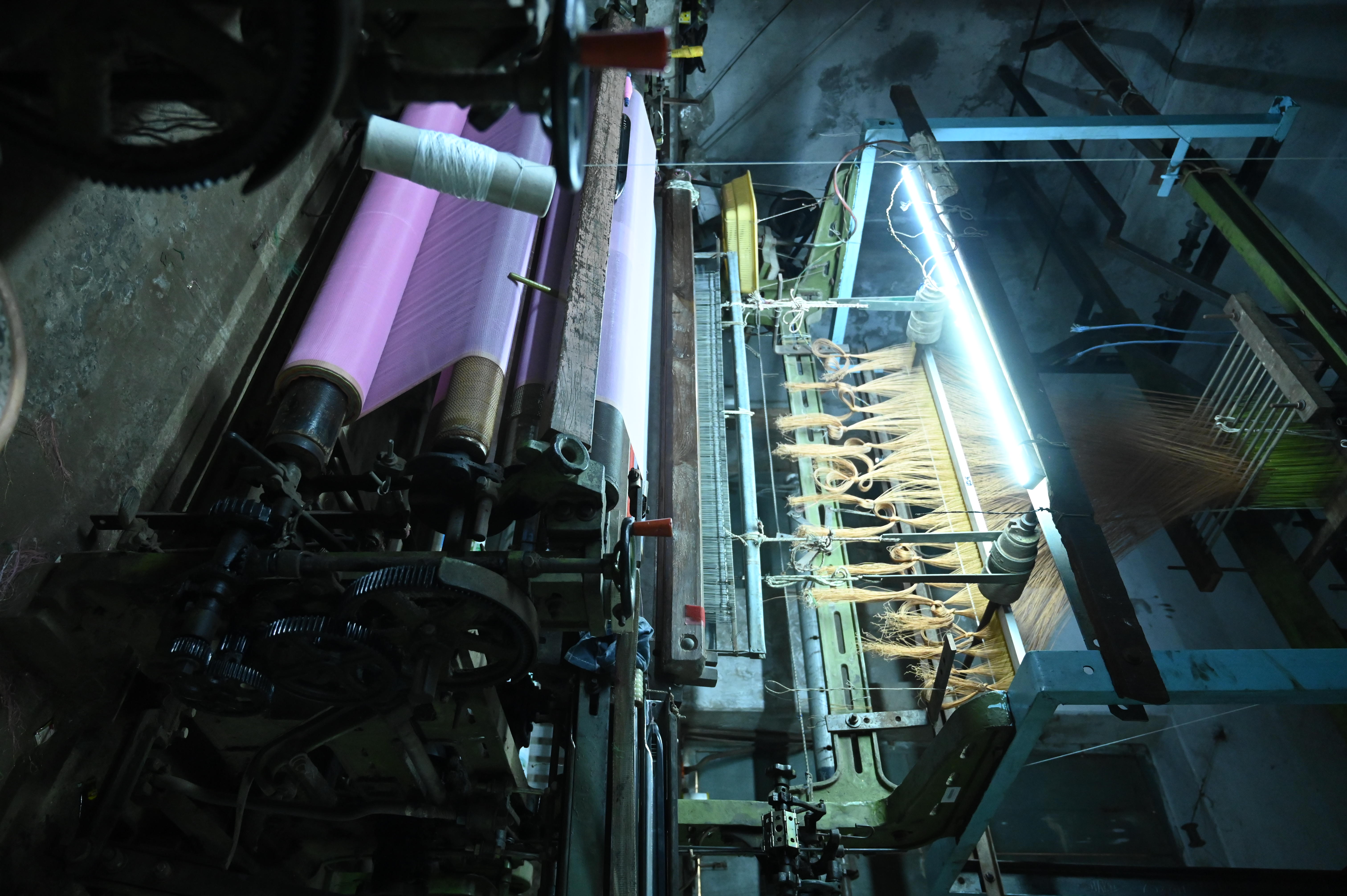
Once the design is approved, the loom is prepared. This is one of the most important stages, though it rarely gets attention outside the weaving rooms.
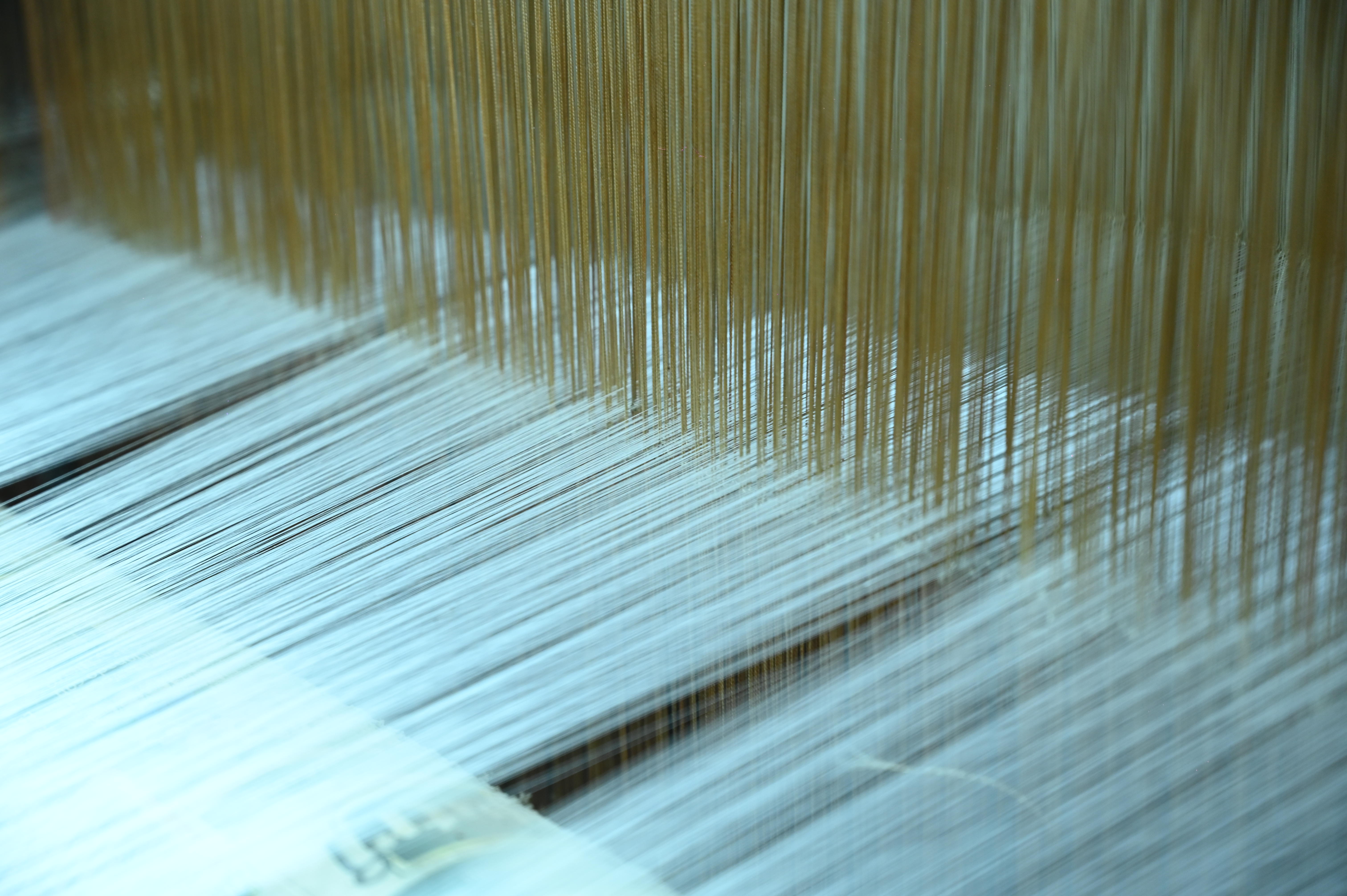
Thousands of silk threads are stretched lengthwise to form the warp. Each thread must carry equal tension. Even a small imbalance can disturb the final pattern. The weaver checks and adjusts this repeatedly before starting the weave.
For heavy and intricate sarees such as those in Katan Silk Banarasi Sarees, loom preparation itself can take several days.
4. Where the Saree Truly Takes Shape
When the weaving begins, the saree finally starts becoming real.
The weaver works slowly, guiding each thread into its place. Some days the progress is steady. On others, it feels painfully slow. Depending on the design, a Banarasi saree can take anywhere from two weeks to several months to complete.
Two main techniques are used here.
With Kadwa weaving, each motif is woven separately. This produces sharper designs that last for decades. With Cutwork, the motifs are woven using continuous threads and trimmed later. It allows faster production but does not match Kadwa in durability.
For wedding sarees and heirloom pieces, Kadwa remains the preferred method.
5. Adding the Zari
Zari is the metallic thread that gives Banarasi sarees their identity. Traditionally made from silver and gold-coated threads, modern zari is carefully chosen for brightness, flexibility, and strength.
While weaving, the zari is introduced alongside silk. The coordination required here is intense. Both hands and feet move in rhythm. One small mistake can disturb the entire pattern.
6. Washing, Finishing, and Setting
Once weaving is complete, the saree is removed from the loom and washed to remove starch and impurities. It is then stretched and dried so the weave settles into its final form. Borders are reinforced, loose threads are secured, and the entire saree goes through final inspection.
This stage ensures the saree holds its shape, falls well, and maintains its finish over time.
7. How Buyers Can Judge Quality at Home
You do not need special tools to judge quality. Your senses are enough.
Visually, check that the motifs are sharp and clear, the borders align neatly, and the zari reflects light evenly.
By feel, the fabric should feel smooth but not slippery. The saree should have body, not limpness. Heavier pieces should feel balanced, not stiff.
Seeing different fabrics and styles together makes these differences easier to understand. Browsing the Loyal Sarees Catalog is often enough to train your eye.
8. Certifications and Identity
Original Banarasi sarees are supported by important certifications.
Silk Mark confirms the use of genuine natural silk.
Handloom Mark verifies that the saree is woven on a handloom.
GI Tag protects the identity of Banarasi sarees made in the Varanasi region.
These do not replace your judgment, but they provide another layer of confidence.
9. When Handwoven Banarasi Makes the Most Sense
Handwoven Banarasi sarees work best for weddings, major ceremonies, heirloom gifting, and long-term wardrobe investments.
For everyday wear or frequent travel, lighter weaves and simpler fabrics can be more practical.
Choosing the right type is about matching the saree to your life, not forcing every occasion into one category.
10. Care and Longevity
Good care protects decades of work.
Store sarees in soft cotton cloth.
Avoid hanging heavy pieces for long periods.
Keep them away from moisture and perfume.
Refold every few months to prevent deep crease lines.
With proper care, an original Banarasi saree can remain beautiful for generations.
Understanding the Craft Builds Confidence
When you understand how a Banarasi saree is made, you stop buying based only on labels or trends. You begin choosing based on knowledge.
If you would like to understand the deeper heritage behind this craft, you may enjoy reading The Story Behind Loyal Sarees: A Banarasi Weaving Legacy from Varanasi.
The goal is not to push a purchase.
The goal is to help you recognize quality when you see it.
When you choose with knowledge, you always choose better.
Continue reading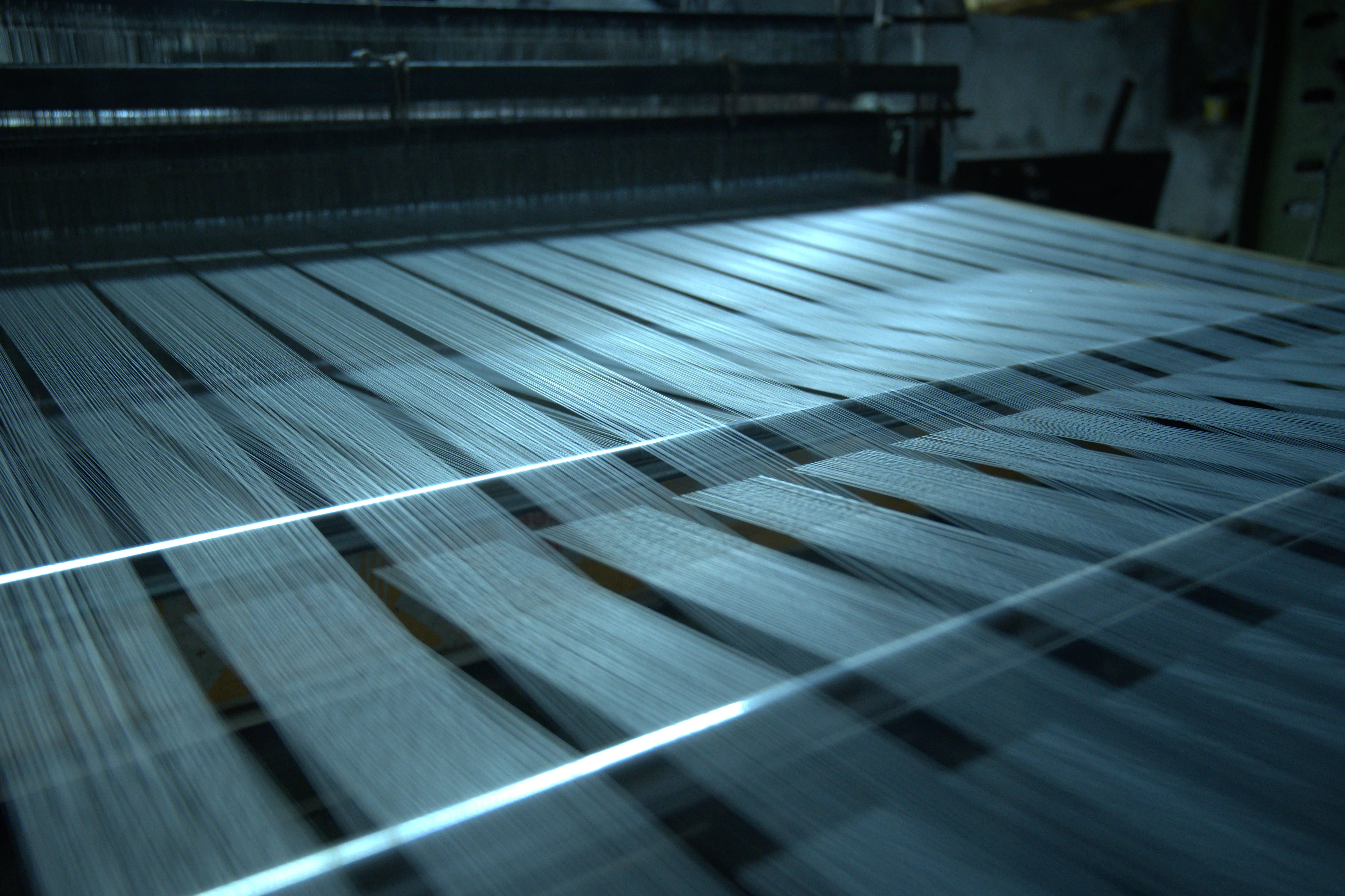
The Story Behind Loyal Sarees: A Banarasi Weaving Legacy from Varanasi
If you have ever owned a Banarasi saree, you already know it feels different. Not just in weight or shine, but in presence. A Banarasi saree carries history. It reflects patience, skill, and a level of detail that cannot be rushed. This craft has lived for centuries in Varanasi, passed from one generation of weavers to the next.
Continue reading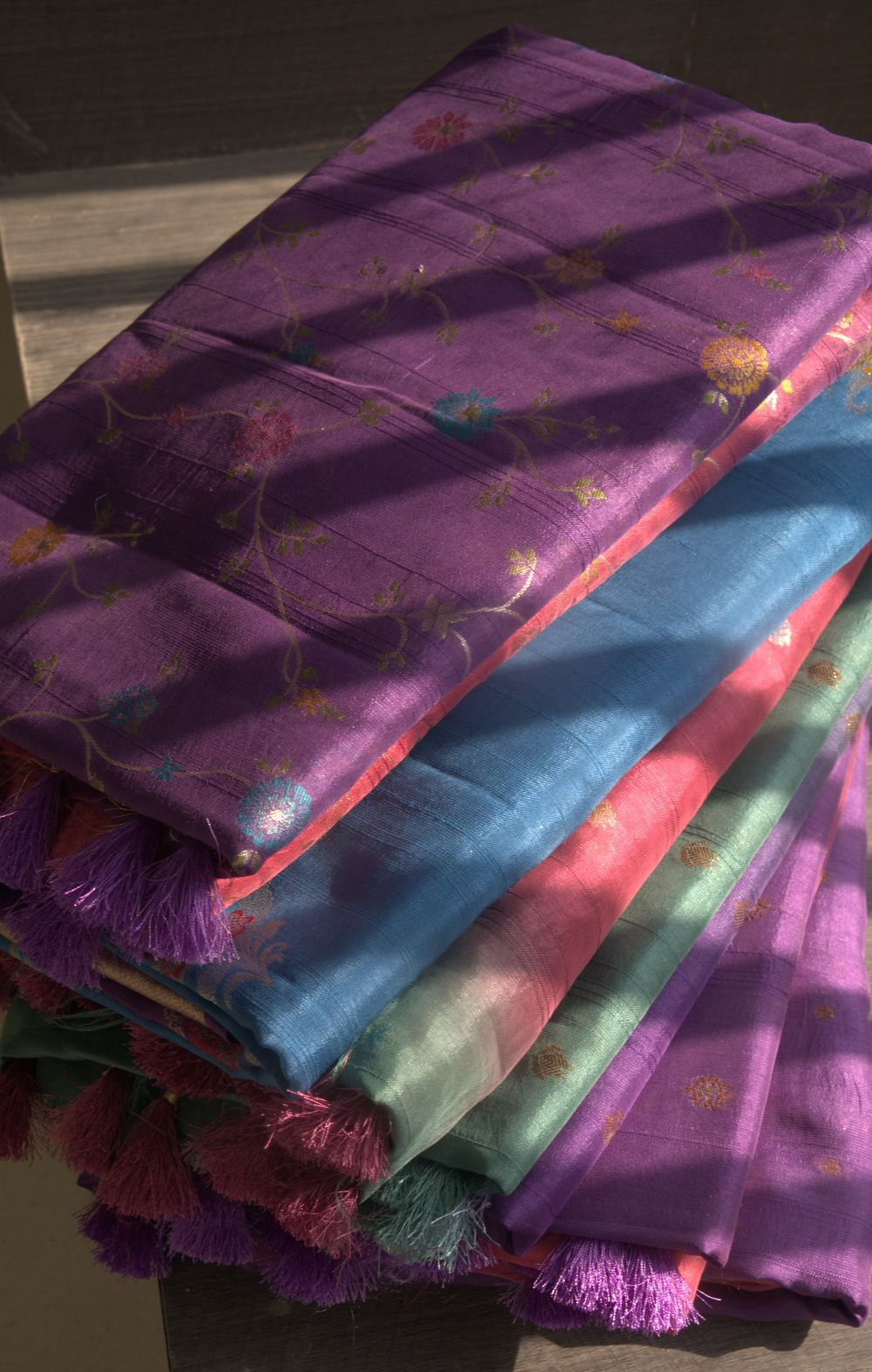
New Age Pattern and Innovation Meets Tradition
Banarasi sarees have long been a symbol of grace, luxury, and Indian heritage. Originating from the holy city of Varanasi, these sarees are renowned for their intricate motifs, rich zari work, and luxurious silk fabric. As handloom weaving evolves, new designs and innovative patterns are breathing fresh life into the classic Banarasi saree
Continue reading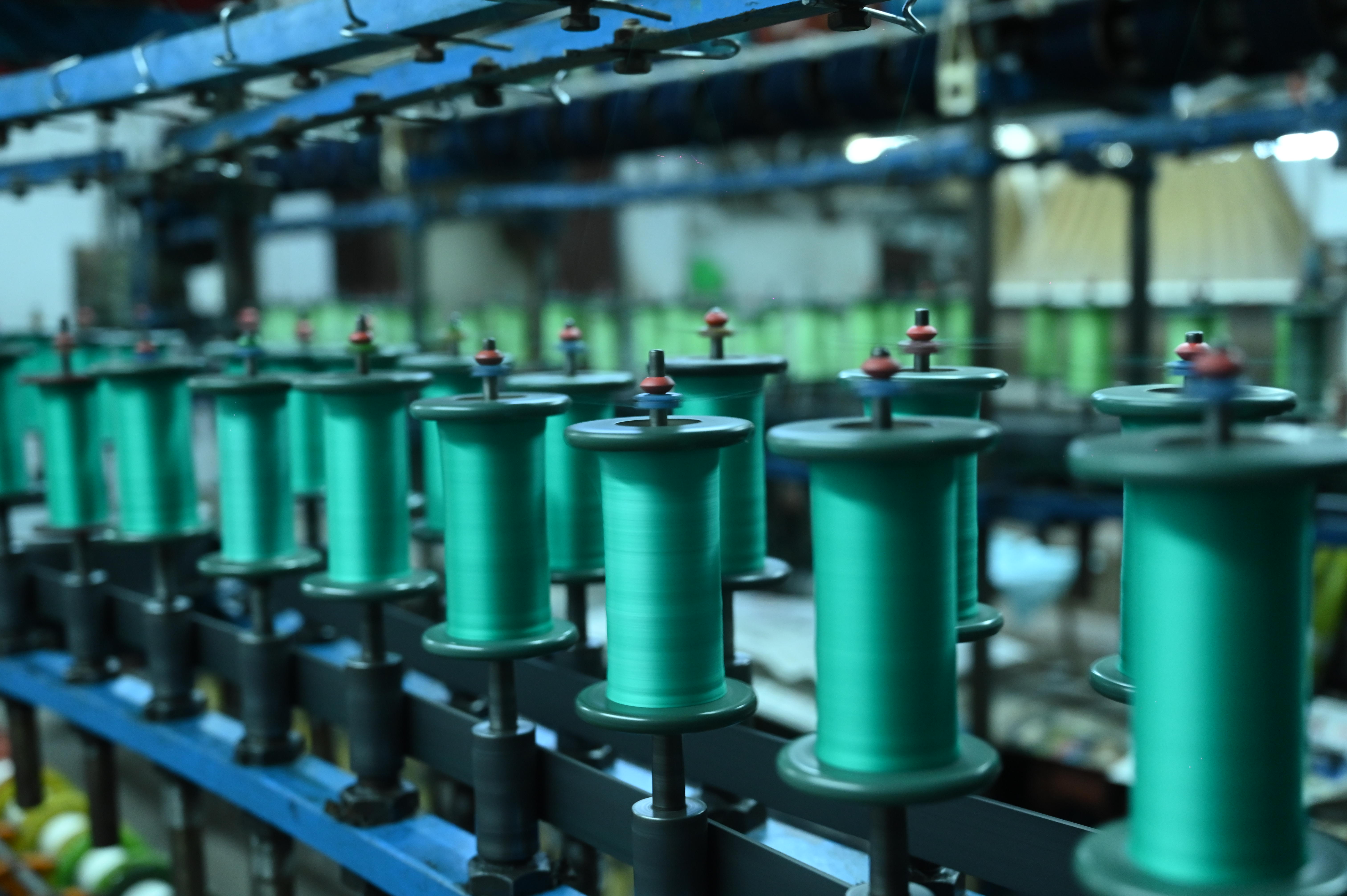
Rights of Weavers of Banaras
Behind every exquisite Banarasi saree lies the unmatched skill and dedication of the weavers of Banaras. These artisans, often belonging to generations-old weaving families, are the true custodians of India’s rich textile heritage. Yet, their rights and recognition have often been overlooked.
Continue reading
Instant Saree: The Secret Weapon for Effortless Style
Long before Paris or Milan claimed the fashion spotlight, Banaras (Varanasi) was already weaving its legacy into the world of textiles and style. Renowned for its opulent silk and masterful craftsmanship, Banaras stands tall as one of the world’s oldest fashion capitals, where tradition, art, and culture blend seamlessly.
Continue reading
Emerging Ethnic Values of Banarasi Sarees in Modern Era
Banarasi sarees, known for their rich silk fabric and intricate zari work, have transcended generations to become timeless pieces in every Indian woman's wardrobe. In today’s modern era, these sarees are not just traditional attire—they are a symbol of cultural pride, elegance, and evolving ethnic identity.
Continue readingRecent Post
April 4, 2025
April 4, 2025
April 4, 2025